Nature Embroidery: A Warm, Handwritten Touch for Personalized Gifts
First Impressions: Graceful, Inviting, and Deeply Human
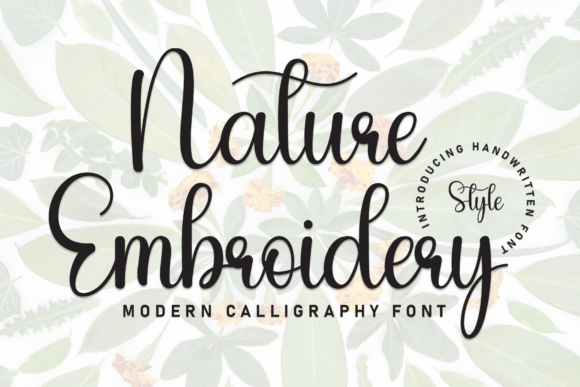
As an embroidery designer who’s stitched over 3,000 custom orders—from newborn blankets to heirloom wedding keepsakes—I opened Nature Embroidery expecting charm. What I found was something rarer: emotional resonance. This Script Handwritten design doesn’t just look handwritten—it *feels* like a quiet, confident signature made with care. It’s not fussy or overly ornate; instead, it radiates welcoming grace—soft curves, gentle tapering strokes, and subtle variation in line weight that mimics real ink on paper. It leans romantic and timeless, with a whisper of modern ease. Think “first name embroidered on a linen pillow cover,” not “bold monogram on a gym bag.” For customers seeking sincerity over flash, Nature Embroidery delivers.
Where It Shines: Real-Life Gift Applications
This design is tailor-made for moments that matter—and the products that hold them. As a working Etsy seller and wholesale partner to boutique gift shops, I tested Nature Embroidery across high-demand categories:
- Baby embroidery: Stitched onto organic cotton swaddles and muslin blankets, it reads as tender and unhurried—perfect for naming a newborn or adding a sweet phrase like “Bloom With Love.” The flow feels nurturing, never cutesy.
- Wedding gift: On ivory linen pillow covers or hand-stitched napkins, it elevates “Mr. & Mrs.” or wedding dates with quiet elegance. No need for flourishes—the script itself carries the celebration.
- Nursery decor: Paired with simple botanical motifs (like a single fern or leaf), Nature Embroidery becomes the gentle voice of a calming space—ideal for wall hangings or quilt labels.
- Embroidered towel & kitchen textiles: On thick, looped terry towels, I used slightly larger sizing (at least 3.5" width) and a medium-weight cutaway stabilizer. The result? Luxe, legible, and distinctly handmade—not mass-produced.
- Pillow covers, aprons, and tote bags: Its natural rhythm adapts beautifully to curved seams and fabric drape. On canvas totes or linen aprons, it adds artisanal warmth without competing with texture.
Where to Proceed Thoughtfully
Like any expressive machine embroidery design, Nature Embroidery rewards intentionality. Here’s where I paused—and why:
- Small lettering: Below 2.25" wide, fine entry/exit points and delicate joins risk stitching loss on dense fabrics. Always test at your intended size.
- Textured or thick fabric: On heavy terry, fleece, or bouclé, use a firm stabilizer and reduce stitch density slightly—otherwise, the graceful lines can blur under bulk.
- Stretchy baby clothes: Avoid direct application to knits unless paired with tear-away + cutaway combo stabilizer and reduced tension. The script’s fluidity demands stability.
- Curved surfaces (mugs, curved tote handles): Not applicable—Nature Embroidery is a digital embroidery file, not a printable or heat-transfer design. Stick to flat or gently contoured textiles.
- Dark fabric: Light thread colors (ivory, pale sage, soft peach) sing here—but always run a printable mockup first. Some script fonts lose nuance in low contrast.
- Frequent washing: Recommend polyester thread and secure backing for blanket embroidery or baby items. Gentle cycles preserve the delicate character long-term.
Why Customers Choose—and Keep Coming Back
In my shop, Nature Embroidery consistently lifts perceived value. When customers see it stitched on a linen pillow cover or kitchen towel, they don’t just register “personalized”—they feel *seen*. That’s because the script conveys warmth, authenticity, and attention to detail—qualities buyers associate with trusted handmade product makers. It also photographs beautifully: soft shadows, clear line definition, and natural negative space make it ideal for Etsy listings and social previews. Engagement spikes when I pair it with lifestyle shots—e.g., a folded blanket with “Eleanor” stitched at the corner beside wildflowers. That emotional connection? It converts browsers into repeat buyers.
Practical Embroidery Notes You Can’t Skip
Before stitching your first finished product, treat Nature Embroidery like a collaborator—not just a file:
- Always test on scrap fabric matching your final substrate—same weave, stretch, and weight.
- Check thread color contrast in natural light; monitor previews often misrepresent subtlety.
- Confirm hoop size compatibility—some script designs require larger hoops for smooth letter flow.
- Review stitch density: too dense = stiff texture; too sparse = fragile joins. Adjust based on fabric breathability.
- Use the right stabilizer: cutaway for knits and towels, tear-away for stable wovens, and fusible + tear-away for lightweight linens.
- Compare light and dark fabric mockups side-by-side before digitizing full batches.
- Inspect small details after stitching: lift threads gently to check for skipped stitches in tight curves.
- Verify commercial licensing before selling finished products. Since Nature Embroidery is listed under Fonts, confirm whether its license permits resale of physical embroidered goods—not just digital use.
A Final Thought for Small Shop Owners
Nature Embroidery isn’t just another custom embroidery option—it’s a quiet differentiator. In a market crowded with bold sans-serifs and trendy all-caps, this script invites slowness, meaning, and presence. Whether you’re an embroidery maker building a brand around heirloom quality, a gift shop owner curating heartfelt inventory, or a digital product seller expanding your font-based offerings, Nature Embroidery helps your small shop product carry more than text. It carries intention. And in personalized gifting—that’s everything.