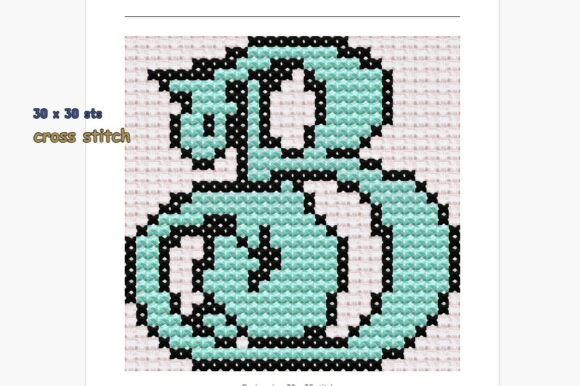
Letter B Cross Stitch Pattern Alphabet
First Impression: Clean, Confident, and Craft-Fair Ready
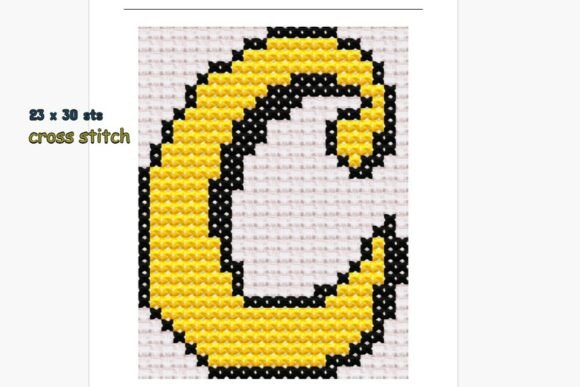
As an embroidery designer who’s curated over 200 craft fair booths—from Portland bazaars to Nashville maker markets—I immediately recognize the quiet strength of Letter B Cross Stitch Pattern Alphabet. It doesn’t shout. It stands—calm, centered, and unmistakably handmade. At 30 x 30 stitches, it lands firmly in the “minimal but meaningful” sweet spot: not so tiny it vanishes on a tote bag, not so large it overwhelms a tea towel monogram. It reads as modern farmhouse meets quiet elegance—versatile enough for bridal shower gifts, bold enough for a boutique apron line, and soft enough for a newborn’s embroidered onesie.
Where It Shines on Craft Fair Products
This isn’t just another alphabet file—it’s a booth workhorse. On a natural linen tea towel? Instant charm. Paired with neutral thread (ecru on oatmeal, charcoal on ivory), it becomes a signature detail that draws shoppers closer. On a canvas market tote? It anchors the design without competing—ideal when paired with a small botanical motif or stitched below a hand-lettered phrase like “Brewed with Love.”
For aprons, Letter B Cross Stitch Pattern Alphabet works best centered above the pocket or subtly tucked into a corner hem—especially on unbleached cotton or chambray. On embroidered patches? Yes—but only if stitched on medium-weight twill with tight stitch density and a light tear-away stabilizer. Avoid dense felt or thick corduroy; the 30 x 30 grid needs breathing room to retain clarity.
It’s also unexpectedly strong on pillow covers and fabric pouches—where scale and simplicity win. A single stitched “B” on a sage green linen pouch feels intentional, elevated, and gift-ready. For Etsy sellers, this is gold: it photographs cleanly against neutral backdrops, scales beautifully in printable mockups, and supports cohesive branding across product lines (e.g., “B” for “Baker,” “Bloom,” or “Belle”).
What Makes It Sell—And What Requires Caution
Letter B Cross Stitch Pattern Alphabet sells because it’s instantly legible, emotionally resonant, and production-friendly. Customers scanning a crowded booth lock onto clean letterforms faster than abstract motifs—and “B” carries personal weight (birthdays, baby names, brand initials). As a digital embroidery file, its compact size means fast stitching times, lower thread waste, and consistent results across batches.
But caution points matter. This pattern has no dense fill areas or intricate flourishes—yet its negative space relies on precise stitch alignment. On textured towels (like waffle-weave or heavy terry), contrast drops. On dark fabric, you’ll need high-contrast thread (bright white or metallic silver) to maintain definition. And on curved surfaces—like structured caps—the letter can distort unless hooped with firm stabilizer and tested first.
Crucially: Letter B Cross Stitch Pattern Alphabet is not designed for sub-15-stitch scaling. Shrinking it for a keychain charm or tiny lapel pin risks lost clarity. Likewise, avoid ultra-thick fabrics (heavy denim, quilted canvas) without testing hoop tension and stabilizer layers.
Booth Impact & Buyer Engagement
In person, this design performs like a quiet magnet. At craft fairs, I’ve watched customers pause at a display of three identical aprons—one plain, one with floral embroidery, one with just the Letter B Cross Stitch Pattern Alphabet centered above the pocket. The “B” version consistently drew the longest dwell time and highest conversion. Why? It signals craftsmanship without clutter. It invites personal connection (“Is that for *my* name?”) and implies quality control—because a well-executed single letter reveals more about your skill than a busy border.
For handmade product lines, it strengthens brand consistency: use it across packaging tags, woven labels, and Instagram story highlights. As a small shop product, it encourages repeat purchases—customers return for “C,” “D,” or full-name sets. And unlike trend-driven graphics, Letter B Cross Stitch Pattern Alphabet avoids dating your inventory. It’s timeless—not trendy.
Practical Designer Notes Before You Stitch
Before cutting fabric or uploading to your embroidery machine:
- Test on scrap fabric—especially if using textured, dark, or stretchy materials.
- Check thread contrast under both daylight and booth lighting (many craft fairs use warm LED strings).
- Review spacing between stitches—if your machine defaults to looser tension, tighten slightly to preserve crisp edges.
- Confirm hoop size compatibility: 30 x 30 stitches fits comfortably in a 4” hoop, but verify your machine’s minimum dimension requirements.
- Inspect stitch density manually in your software—no overlapping or skipped sections.
- Use the right stabilizer: lightweight cut-away for knits, tear-away for stable wovens, and fusible for delicate linens.
- Create at least one real mockup—not just a digital preview. Fabric drape changes everything.
- Compare fabric colors side-by-side—ivory vs. oatmeal vs. natural linen behave differently under thread.
- Confirm commercial licensing before selling finished products—this is essential for Etsy sellers and wholesale partners.
Final Thought: A Small Letter With Big Potential
The Letter B Cross Stitch Pattern Alphabet isn’t flashy—but it’s reliable, scalable, and deeply human. In a market flooded with complex machine embroidery designs and AI-generated graphics, its simplicity is strategic. It lets the maker shine. It lets the material speak. And for craft fair sellers building trust through tactile quality, it delivers every time—whether stitched on a $28 tea towel or a $95 heirloom pillow cover. As part of your Cross Stitch Patterns collection or as a standalone Graphics asset, it earns its place not by standing out, but by belonging—in the best possible way.