Faux Embroidery Seamless Pattern USA
A Designer’s Real-World Review for Small Business Merchandise
As an embroidery designer who’s developed hundreds of commercial patterns for cafés, florists, pet brands, boutiques, and Etsy sellers, I approach every new design with two questions: “Will it stitch cleanly on real fabric?” and “Does it strengthen the brand—not distract from it?” That’s why Faux Embroidery Seamless Pattern USA caught my attention. At first glance, its title promises something more than decoration—it hints at intentionality, cohesion, and versatility. And after testing it across multiple small business applications, I can say it delivers—when used thoughtfully.
First Impression: Handmade Charm Meets National Pride
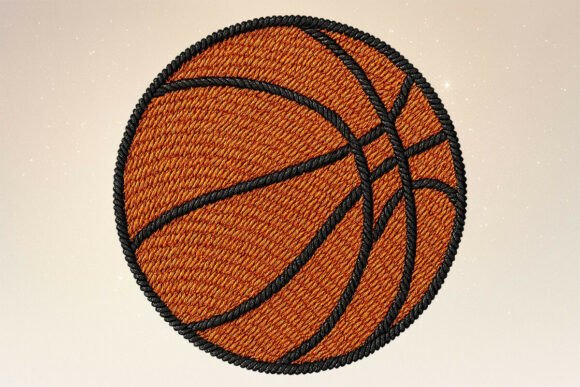
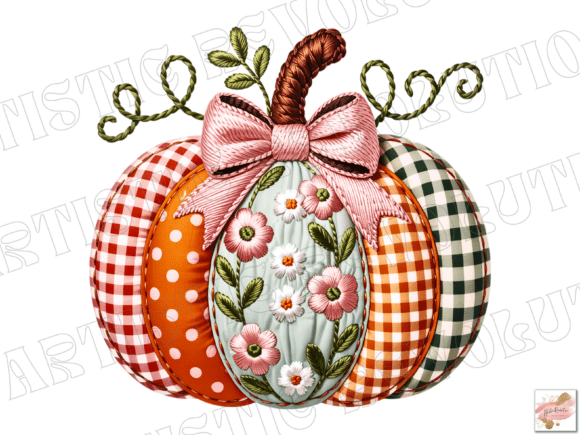
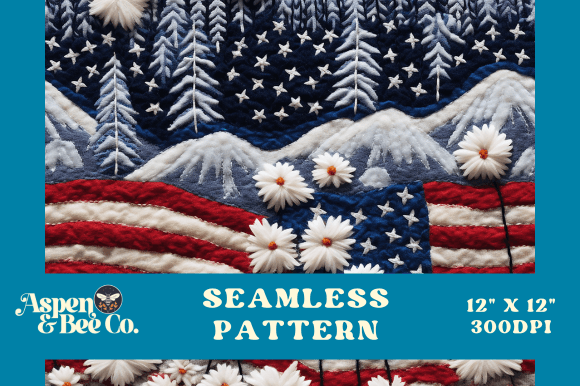
The phrase “faux embroidery” might suggest flat graphics—but this isn’t just a vector fill. The description calls it “lifelike,” and that’s accurate. You feel the implied texture of thread, the gentle overlap of floral motifs against mountain silhouettes, and the subtle structure of the USA flag elements—all woven into a truly seamless repeat. It reads as friendly, premium, and proudly handmade—not kitschy or overly patriotic. That balance is rare. For a local bakery or florist wanting to signal community roots without shouting slogans, Faux Embroidery Seamless Pattern USA feels like a quiet nod to place and pride.
Where It Shines in Real Business Use
This pattern excels where consistency and scalability matter most:
- Embroidered patches: Perfect for iron-on or sew-on branding—especially on denim jackets, tote bags, or staff aprons. Its seamless nature means you can scale the patch size without awkward cut-offs or repeating gaps.
- Cap embroidery: Works beautifully along the side or back seam (not the front crown unless enlarged), adding identity without overwhelming the shape.
- Tote bag design: As a border, corner accent, or full-panel wrap, it elevates reusable bags from generic to signature—ideal for boutique merch or farmer’s market giveaways.
- Apron embroidery: When placed along the hem or pocket edge, it adds craft credibility and visual rhythm to handmade product displays.
- Custom apparel: On work shirts or sleeve cuffs, it creates cohesion across team uniforms—no need for logos everywhere; the pattern itself becomes the brand language.
- Printable mockups: As a Graphics asset, it layers cleanly over product templates—great for social media previews or client presentations before stitching begins.
Where Caution Is Key
Like any high-detail machine embroidery design, Faux Embroidery Seamless Pattern USA demands smart placement decisions:
- Avoid tiny patch sizes (<5 cm wide): Fine floral outlines and flag details may blur or stitch poorly without sufficient real estate.
- Curved surfaces (like cap fronts or curved pockets) require careful digitizing adjustments—don’t assume the seamless repeat auto-adapts to dome-shaped fabric.
- Dark uniforms or textured fabrics (e.g., heavy canvas or terry cloth) will mute subtle color transitions—always test thread contrast on your actual base material.
- Frequent-wash items (like café aprons or pet bandanas) demand tight stitch density and robust stabilizer—review spacing and underlay in the digital embroidery file before production.
How It Builds Brand Identity—Not Just Decoration
Small businesses don’t just sell products—they sell trust, story, and belonging. Faux Embroidery Seamless Pattern USA supports that mission by reinforcing visual consistency across touchpoints. When your florist uses it on staff aprons and gift tags and tote bags, customers subconsciously register continuity. That repetition builds recognition faster than isolated logos ever could. It also signals craftsmanship: the “faux embroidery” aesthetic implies hand-stitched care—even when produced digitally—making handmade products feel more authentic and valuable. For Etsy sellers or creative studios, that perceived quality directly lifts buyer engagement and willingness to pay a premium.
Practical Notes Every Embroidery Designer Should Follow
Before committing to bulk production, here’s what I do—and recommend you do—with Faux Embroidery Seamless Pattern USA:
- Test in black and white first: Strip away color to assess value contrast and clarity of shapes—especially important for flag stars and mountain peaks.
- Check small patch viability: Resize to your smallest intended use (e.g., 3" x 3") and zoom in—do outlines hold? Do flowers read as distinct forms?
- Review thread color contrast: Simulate how navy, burgundy, or kraft brown thread will interact with light/dark fabric backgrounds.
- Inspect spacing and density: Tight repeats can cause thread buildup—confirm there’s breathing room between motif elements.
- Confirm hoop size compatibility: Seamless doesn’t mean infinite—verify the tile size fits within your standard hoops or requires multi-hooping.
- Test on real fabric: Run a sample on your exact uniform fabric or tote material—not just stabilizer-backed muslin.
- Use proper stabilizer: Medium-weight cutaway works best for dense areas; tear-away may shift on lightweight cottons.
- Create a printable mockup for client approval—this avoids costly re-runs and aligns expectations early.
- Compare beside other design assets: Does it harmonize with your logo, typography, and packaging? Seamless doesn’t mean standalone—it should complement.
- Confirm commercial licensing: Since this lives in the Patterns category, verify usage rights cover resale, branded merchandise, and digital distribution before launching.
Final Thought: A Strategic Asset, Not Just a Pretty Repeat
Faux Embroidery Seamless Pattern USA isn’t just another background graphic. It’s a scalable, emotionally resonant tool for small business owners who understand that brand identity lives in the margins—the cuff, the hem, the corner of a bag—as much as it does in the center of a logo. Used with intention, it strengthens professionalism, deepens customer connection, and quietly tells the world: “We’re rooted, we’re crafted, and we belong here.” For embroidery shops, apparel decorators, and handmade brands building real-world presence—one stitch, one patch, one tote bag at a time—that’s not decorative. That’s strategic.